
Holiday Shopping Scams 2026: Fake Delivery Texts, Lookalike Stores and Gift-Card Traps
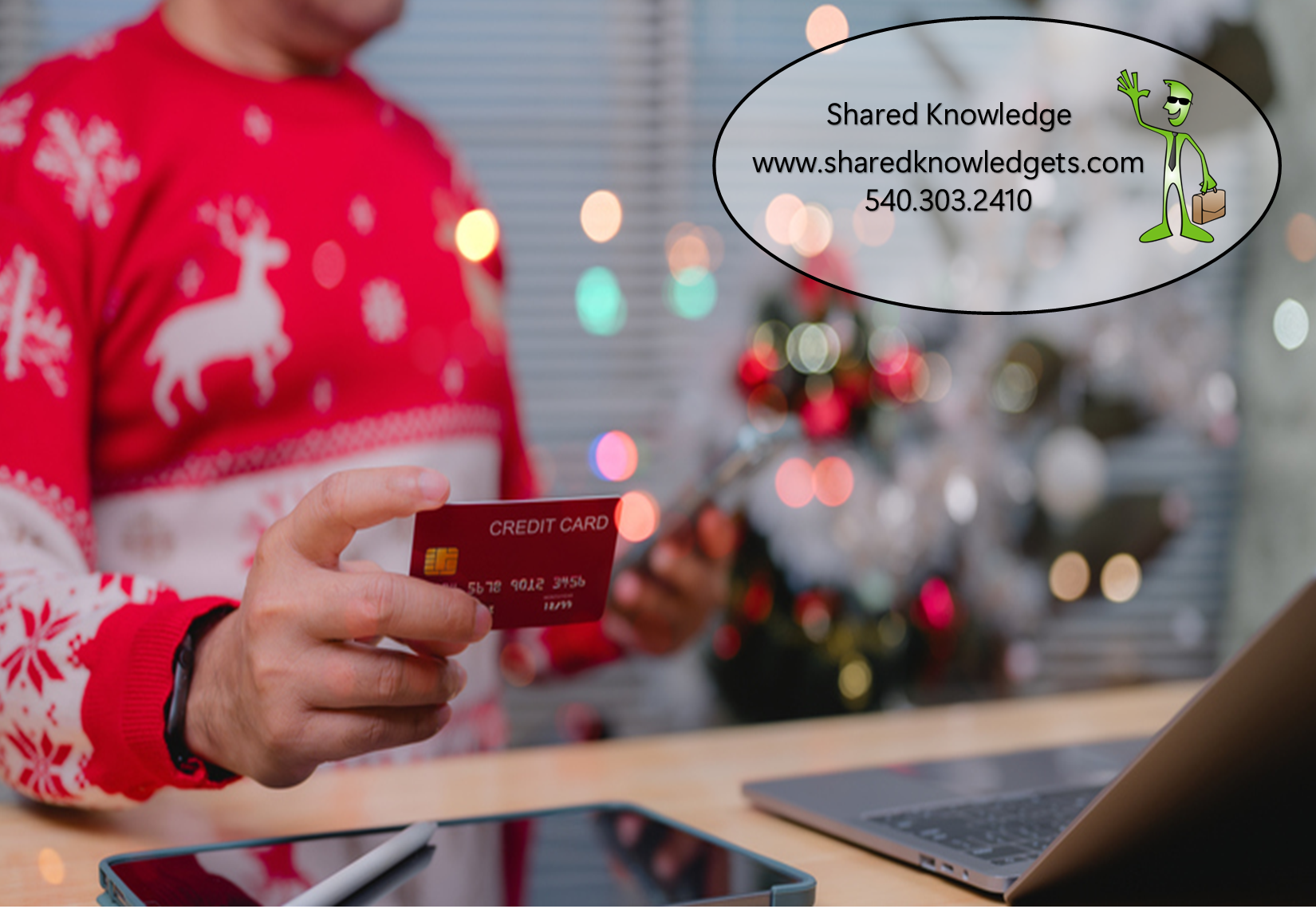
Black Friday is November 27th, Cyber Monday is the 30th, and the scammers know the calendar as well as the stores do. The good news: holiday shopping scams are not clever. They're the same handful of tricks every year, dressed up in holiday wrapping. Learn the tells once and you'll spot them in seconds, and so will the people you share this with.
1. The "your package is on hold" text
This is the big one. A text arrives that looks like it's from USPS, UPS, FedEx, or Amazon: your package couldn't be delivered, there's a small fee to reschedule, tap here. It works because this time of year, almost everyone is waiting on a package.
- The tell: real carriers don't text you a link asking you to pay a fee or "confirm your address."
- What to do: don't tap the link. Track packages in the store's own app or by typing the carrier's website yourself.
- Report it: forward the text to 7726 (it spells SPAM on the keypad), then delete it.
2. Lookalike stores and too-good deals
A website that looks exactly like a store you trust, or an ad on social media for a brand-name item at 70% off. You pay, and either nothing arrives or something cheap and wrong does. Sometimes the real goal is just your card number.
- Check the address bar. Look at the web address itself, not the logo. Misspellings and extra words ("amazon-deals-outlet") are the giveaway.
- Type it yourself. Go to the store by typing its address or using a bookmark, not by clicking an ad, a text, or an email.
- If the price is wildly lower than everywhere else, walk away. That's not a sale. That's bait.
3. Gift-card traps
Gift cards are wonderful presents and a scammer's favorite way to get paid, because once the numbers are shared, the money is gone. Two versions to know:
- Anyone asking to be paid in gift cards. No real business, utility, or government office asks for payment in gift cards. Not the IRS, not the power company, not "tech support," and not a grandchild in trouble. If someone asks, it's a scam, every time.
- Tampered cards on the rack. Before you buy, look at the package. If the scratch-off strip looks disturbed or the packaging has been opened and resealed, pick a different one or buy from behind the counter. Keep the receipt.
Three habits that stop almost all of it
- Slow down. Every one of these scams is built to make you hurry. "Today only." "Pay now or it's returned." Ten seconds of pause beats all of them.
- Go to the source. Don't use the link you were sent. Open the app or type the address yourself.
- Pay with a credit card. Credit cards give you the strongest protection if something goes wrong. Debit cards, wire transfers, payment apps, and gift cards give you much less.
If you already clicked
Take a breath. It happens to careful people, and it's fixable. Call your bank or credit card company using the number on the back of the card. If you typed a password into a strange site, change that password (and anywhere else you used it). If the computer started acting strange or a warning popped up after you clicked, that's a good time to have someone look it over. Our virus and malware removal help is built for exactly that moment. You can also report shopping scams to the FTC at reportfraud.ftc.gov, which helps protect the next person.
Pass it on
The most useful thing you can do with this post is send it to someone who shops online and trusts every text they get. For a little more practice, the Stay Safe Online microcourse in Skits' Classroom walks through real scam examples in about ten minutes.
Something look off and you want a second opinion? Call Jerry at 540.303.2410. Serving Winchester, Frederick County, and the Shenandoah Valley.
Questions about any of this? Give Jerry a call at 540.303.2410. We help Winchester-area homes, businesses, and non-profits.